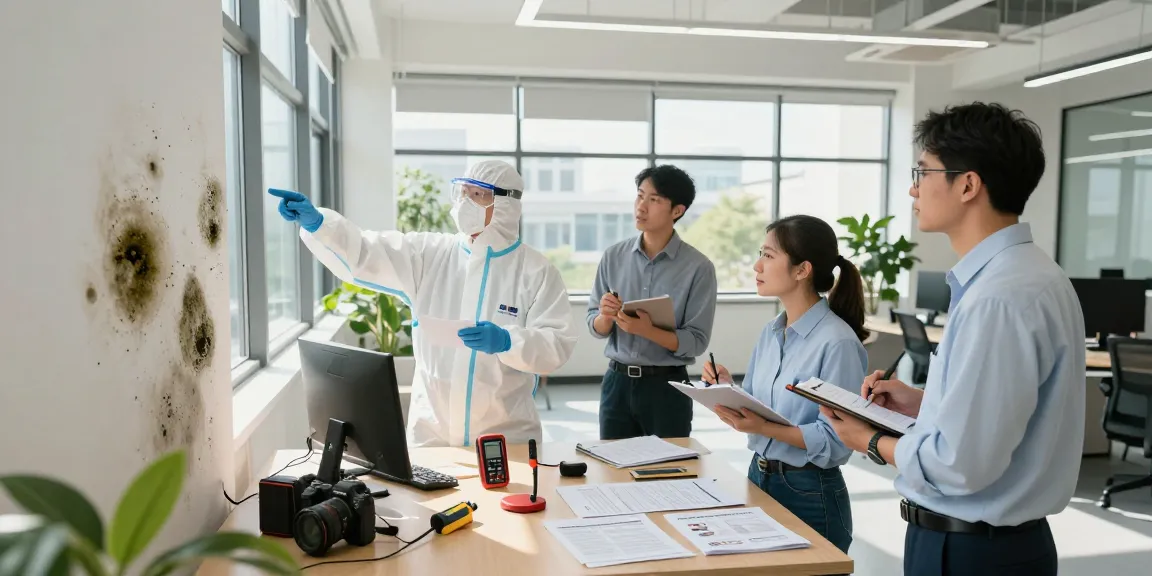
Understanding Commercial Mold Remediation
In South Florida, with its tropical climate and high humidity, the risk of mold growth in commercial properties is a growing concern for business owners. Mold thrives in damp conditions, and when water damage occurs, it can escalate quickly, compromising both health and property. With awareness of the dangers associated with mold, companies must prioritize commercial mold remediation to mitigate risks and ensure safe work environments. Understanding mold’s behavior, the importance of professional services, and the distinct requirements for commercial properties is essential for effective remediation.
What is Commercial Mold Remediation?
Commercial mold remediation is a systematic process that involves identifying, removing, and preventing mold growth in commercial environments. Unlike residential mold removal, which may address smaller, less complex areas, commercial remediation targets larger spaces, high occupancy situations, and often complicated HVAC systems. The process typically includes thorough inspections, mold testing, containment, removal, and comprehensive cleaning to ensure mold spores are eliminated and do not return.
The Importance of Professional Services
Employing professionals for commercial mold remediation is vital because of the potential health risks and legal liabilities associated with mold exposure. Trained technicians utilize advanced methods and equipment to carefully inspect and address mold issues within a business. They ensure compliance with safety regulations, minimizing interruptions to business operations. Moreover, professional services provide business owners with documentation that may be necessary for insurance claims or regulatory compliance.
Key Differences Between Commercial and Residential Mold Remediation
- Scale: Commercial properties are generally larger and may involve multiple floors and complex systems, requiring comprehensive approaches.
- Occupancy: More people are typically present in commercial spaces, increasing the urgency for rapid remediation to protect employee health.
- Regulatory Compliance: Commercial remediation must adhere to strict regulations to avoid legal repercussions.
- Specialized Equipment: Professionals often use industrial-grade tools, which might not be accessible or necessary for residential properties.
How Water Damage Fuels Mold Growth in Commercial Spaces
Common Sources of Water Damage
In South Florida’s humid environment, water damage is a prevalent issue that can lead to significant mold growth. Common causes include:
- Flooding: Hurricanes and heavy rain can inundate commercial properties, causing water to infiltrate walls, flooring, and basements.
- Leaks: Plumbing failures, roof leaks, or faulty windows can allow moisture to accumulate unnoticed, ideal conditions for mold colonization.
- HVAC Issues: Inefficient or poorly maintained heating and cooling systems can create condensation and promote mold growth in ducts.
The Impact of Humidity in South Florida
The subtropical climate of South Florida presents unique challenges for mold prevention. High ambient humidity levels, often exceeding 70%, create an environment ripe for mold growth. Even without visible water damage, the constant moisture can seep into porous building materials, allowing mold to thrive unnoticed. Therefore, maintaining low humidity levels is essential for mitigating mold risks.
Identifying Vulnerable Areas in Your Commercial Property
Vulnerable spots in commercial buildings include:
- Basements and crawl spaces, where moisture can accumulate.
- Areas around plumbing fixtures and appliances prone to leaks.
- Roof and window seals susceptible to water infiltration.
- HVAC systems, where condensation can lead to mold growth.
Recognizing Warning Signs of Mold in Offices
Visible Mold Growth and Musty Odors
One of the most apparent indicators of mold presence are visible patches, which can appear black, green, or white. Alongside visual signs, a persistent musty odor may signal mold growth, even if it is not immediately visible. Such odors often indicate mold hidden in walls or under carpets, necessitating professional assessment.
Health Complaints from Employees
Employee health can be significantly affected by mold exposure, leading to complaints such as:
- Sneezing, nasal congestion, or runny noses.
- Skin rashes or irritation.
- Respiratory problems, including asthma exacerbations.
- Fatigue or neurological symptoms due to prolonged exposure.
Indicators of Water Damage
Businesses should remain vigilant for signs of water damage, which often precedes mold growth. Key indicators include:
- Water stains or discoloration on ceilings and walls.
- Bubbling or peeling paint and wallpaper.
- Warped flooring or damp carpets.
Health Risks Associated with Mold in Commercial Properties
Common Health Symptoms Linked to Mold Exposure
Mold exposure poses various health risks, particularly in high-occupancy environments such as offices. Common symptoms include:
- Allergic reactions such as sneezing, itchy eyes, or skin rashes.
- Respiratory issues, particularly in individuals with asthma or other lung conditions.
- Neurological symptoms due to specific mold types, particularly black mold (Stachybotrys chartarum).
Long-Term Effects on Employee Productivity
Chronic mold exposure can lead to decreased productivity due to health complications, absenteeism, and increased healthcare costs for businesses. Mold-related illnesses not only affect employee health but can also create a toxic work environment, impacting morale and efficiency.
Legal and Liability Issues for Businesses
Failure to address mold issues can expose businesses to legal liability. If employees suffer health-related issues due to mold, businesses may face lawsuits or penalties. Implementing a proactive mold remediation strategy protects both employee health and the business’s legal standing.
Steps to Take for Effective Mold Remediation
Contacting Professional Mold Remediation Services
When mold is suspected, the first step should be to reach out to certified professionals. They provide comprehensive assessments, identify mold types, and devise targeted remediation strategies to ensure safe removal.
Preparing Your Commercial Property for Inspection
Before professional inspectors arrive, take steps to prepare your property:
- Ensure easy access to potential mold-affected areas.
- Clear clutter to help technicians assess all spaces effectively.
- Document any visible mold and water damage for reference during the inspection.
Implementing Preventative Measures Post-Remediation
Once remediation is complete, companies should implement measures to prevent mold recurrence. Strategies include:
- Regular maintenance of plumbing and HVAC systems to identify leaks early.
- Installing dehumidifiers to maintain optimal indoor humidity levels (below 60%).
- Conducting frequent inspections for early signs of moisture or water damage.
When to Seek Immediate Help for Mold Issues?
Immediate action is vital when any visible signs of mold, musty odors, or employee health complaints arise. Early intervention prevents mold from spreading and minimizes health risks and property damage. Businesses in South Florida should consider scheduling regular inspections to remain vigilant and proactive in mold management.