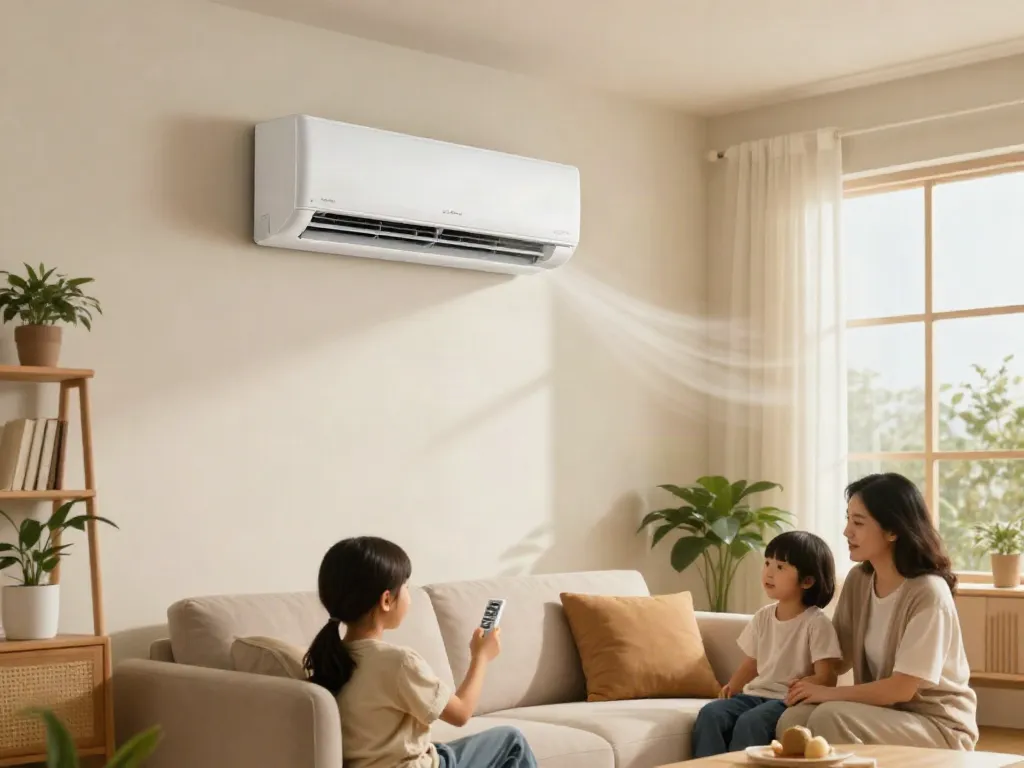
Understanding the Benefits of an 18000 BTU Mini Split
As homeowners seek efficient and effective ways to heat and cool their living spaces, the 18000 btu mini split has emerged as a popular solution. These systems offer versatility and comfort for larger rooms, making them a favored choice over traditional HVAC systems. In this article, we will explore the various advantages of mini splits, particularly those with an 18,000 BTU capacity, and how they can transform your home environment.
What is an 18000 BTU Mini Split?
An 18000 BTU mini split is a ductless heating and cooling system that consists of two main components: an indoor air handling unit and an outdoor condenser. The term "BTU" stands for British Thermal Units, which is a measure of the system's ability to cool or heat a space. In this case, 18,000 BTUs means that the unit can effectively manage the temperature of medium to large spaces, typically ranging from 550 to 1250 square feet, depending on factors like insulation and room layout.
Unlike traditional air conditioning systems that rely on ductwork, mini splits are easier to install and offer zoned temperature control, allowing homeowners to maintain different temperatures in various parts of the house efficiently.
Benefits for Homeowners with Larger Spaces
- Enhanced Comfort: With the ability to cool or heat large areas, an 18000 BTU mini split provides uniform temperature distribution, eliminating hot or cold spots in your home.
- Flexible Installation: The ductless design allows for installation in a variety of locations, such as ceilings, walls, or floors, which can be particularly beneficial in spaces where ductwork is impractical.
- Zoned Control: Homeowners can choose to heat or cool specific zones in their home, which not only enhances comfort but also reduces energy waste.
Energy Efficiency and Cost Savings Explained
Energy efficiency is a critical consideration for modern homeowners, and 18000 BTU mini splits deliver impressive performance in this area. Many units boast high Energy Efficiency Ratings (EER) and SEER (Seasonal Energy Efficiency Ratio) ratings, often exceeding 20. This means that for every unit of energy consumed, the system provides a significant cooling or heating output, ultimately leading to lower monthly utility bills.
Furthermore, mini splits use inverter technology, which allows them to adjust their power output to meet the precise heating or cooling demands of a space, rather than continually starting and stopping, as conventional systems do. This not only enhances comfort but also contributes to substantial energy savings.
Installation Insights for Your 18000 BTU Mini Split
When considering the installation of your 18000 BTU mini split, understanding the nuances of placement and setup is crucial for optimal performance.
Choosing the Right Location for Optimal Performance
The effectiveness of an 18000 BTU mini split largely depends on its installation location. Ideal placement involves ensuring the indoor unit is positioned to allow for proper airflow. Avoid placing it near obstacles like furniture or curtains, which can block airflow and reduce efficiency. Additionally, consider the outdoor unit's placement; it should be on a stable surface, away from direct sunlight, and protected from harsh weather conditions.
Common Installation Mistakes to Avoid
- Incorrect Sizing: Selecting a unit that's too large or too small for your space can lead to inefficiencies. An 18000 BTU unit is suited for spaces up to 1250 square feet but may not perform well if installed in a significantly smaller area.
- Poor Insulation: Failing to ensure that the space is well-insulated can lead to system overwork, reducing energy efficiency and leading to higher bills.
- Neglecting Condensate Drainage: Proper drainage is essential to prevent water damage and ensure the longevity of the unit. Ensure the drain pipe is installed with a downward slope to facilitate proper water flow.
Professional vs. DIY Installation: Pros and Cons
Deciding between professional installation and a DIY approach involves weighing several factors:
- Professional Installation: While it may incur higher upfront costs, professional installation ensures that the system is set up correctly, adhering to local codes and maximizing efficiency.
- DIY Installation: If you're handy and knowledgeable, DIY installation can save money. However, ensure you're familiar with local regulations and have the proper tools and expertise, as mistakes can lead to costly repairs.
Maintaining Your 18000 BTU Mini Split for Longevity
Regular maintenance is key to ensuring the longevity and efficiency of your mini split system. Here are some essential practices to follow.
Essential Maintenance Practices You Should Follow
- Regular Filter Cleaning: The filters in your mini split need to be cleaned or replaced every 1-3 months, depending on usage. Clogged filters can inhibit airflow and affect performance.
- Annual Professional Maintenance: Schedule annual check-ups with a qualified HVAC technician to inspect the system, check refrigerant levels, and ensure the unit operates optimally.
- Keep the Outdoor Unit Clear: Ensure that the outdoor condenser is free of debris, leaves, and ice buildup, which can impede its efficiency.
Signs Your Mini Split Needs Professional Attention
Knowing when to call in a professional can prevent minor issues from escalating. Look out for the following signs:
- Unusual noises, such as grinding or rattling sounds.
- Inconsistent cooling or heating performance.
- Unexpected spikes in energy bills without a change in usage.
Seasonal Preparation Tips for Your System
Preparing your mini split for seasonal changes can enhance performance and energy efficiency:
- Before summer, clean the filters and ensure the outdoor unit is clear of obstructions.
- Before winter, check that the system is in proper working order and schedule any necessary repairs.
Comparing 18000 BTU Mini Split Brands in 2026
With numerous brands available, comparing specifications and features is important when selecting the right 18000 BTU mini split for your needs.
Top Brands to Consider: Features and Specifications
Some of the leading brands in the mini split market include:
- Mitsubishi: Known for reliability and quiet operation, Mitsubishi mini splits often feature advanced filtration and smart technology.
- Daikin: Daikin units are renowned for their energy efficiency and robust warranty options.
- Costway: The Costway 18000 BTU mini split offers a balance of affordability and performance, making it a strong contender for homeowners.
User Reviews and Feedback: What to Look For
When reviewing different brands and models, consider the following:
- User satisfaction ratings regarding comfort and energy efficiency.
- Common complaints regarding installation difficulty or maintenance needs.
- Warranty terms and customer service responsiveness.
Price Comparisons: Finding Cost-Effective Options
Price can vary significantly between brands and models. Compare costs not only based on the initial price but also consider the long-term energy savings. Some units may have a higher upfront cost but could save more on energy bills over time.
Future Trends in Mini Split Technology
As technology advances, several emerging trends are shaping the future of mini split systems and enhancing their performance.
Emerging Innovations to Watch in 2026
Anticipate some exciting advancements in mini split technology, such as:
- Increased Automation: Many new models are integrating more sophisticated smart home features, allowing users to control their systems through mobile apps or home assistants.
- Advanced Filtration Systems: Newer units may feature enhanced filtration technologies that improve indoor air quality, reducing allergens and pollutants.
Smart Home Integration and Automation Features
Home automation is becoming increasingly prevalent, and mini splits are no exception. Expect to see more systems compatible with smart home ecosystems, enabling users to program schedules, change settings remotely, and monitor energy usage through apps.
Sustainability and Eco-Friendly Developments in HVAC
As sustainability becomes a top priority, many manufacturers are focusing on creating energy-efficient systems that reduce environmental impact. Expect to see increased use of eco-friendly refrigerants and energy-efficient components across the industry.
Commonly Asked Questions
As homeowners consider purchasing an 18000 BTU mini split, several questions frequently arise:
What sizes of rooms are suitable for an 18000 BTU mini split?
An 18000 BTU mini split is ideal for rooms ranging from 550 to 1250 square feet, making it perfect for larger living areas, open floor plans, and insulated garages.
How does an 18000 BTU mini split compare to central air?
Unlike central air systems, mini splits do not rely on ducts, which can lead to energy loss. They also offer more flexibility with zoning, allowing different rooms to be maintained at different temperatures.
What energy efficiency ratings should I look for?
Look for units with high SEER ratings (above 16) and ENERGY STAR certification, which signify that the system meets strict energy efficiency guidelines.
Can I install an 18000 BTU mini split myself?
While DIY installation is possible, it requires a solid understanding of HVAC systems and the proper tools. Many homeowners opt for professional installation to ensure optimal performance and compliance with local regulations.
What maintenance is required for optimal performance?
Regular filter cleaning, annual professional check-ups, and ensuring that the outdoor unit remains clear of debris are essential to maintaining the efficiency of your mini split system.