Understanding New Roof Installation in Tampa
Getting a new roof installation is a significant decision for any homeowner in Tampa, as it often represents one of the largest investments they’ll make in their property. With the humid subtropical climate of Florida, the right roofing choice can mean the difference between long-lasting protection and frequent repairs. Integrating quality materials with expert installation ensures that you’ll have a reliable shield over your home for decades to come. When exploring options, https://avatarroofing.com/residential-roofing-tampa/new-roof-installation-tampa/ provides comprehensive insights.
What is New Roof Installation?
New roof installation refers to the process of placing a roof on a structure that either never had one or was significantly renovated, requiring an entirely new roofing system. This might be necessary for new construction or properties undergoing extensive remodeling. The goal is to provide a durable, functional, and aesthetically pleasing roof that enhances the overall value and safety of the home. It’s crucial that this process is executed by experienced professionals who understand the nuances of Tampa’s roofing needs.
Key Differences Between New Roof Installation and Replacement
While both new roof installations and replacements involve adding roofing materials to a structure, the key difference lies in the existing structure’s condition. In a replacement scenario, an existing roof is removed, and a new one is installed, typically on the same decking. In contrast, a new installation might involve laying the roof on a completely new deck or structure. This can require additional considerations such as ensuring the integrity of the decking and selecting the right materials for optimal performance in the Tampa climate.
Benefits of Investing in a New Roof
Investing in a new roof installation provides numerous benefits, including:
- Increased Home Value: A new roof can significantly boost the market value of your home, appealing to potential buyers.
- Enhanced Energy Efficiency: Modern roofing materials can increase insulation, lowering energy costs.
- Improved Safety: A new roof eliminates the risks associated with older, deteriorating materials.
- Better Protection: It protects against water intrusion, mold, and structural damage.
Types of Roofs Available for Installation
Shingle Roof Installation: Cost-Effective and Versatile
Shingle roofs, predominantly made from asphalt, are the most popular choice in Tampa due to their affordability and variety. These systems come in many styles and colors, allowing homeowners to customize the look of their homes. Architectural shingles are preferred for their durability and wind resistance, making them an excellent choice for the Florida climate, where hurricanes and tropical storms occur annually. Proper installation ensures that a shingle roof can last between 20 to 25 years, accompanied by regular maintenance to extend its lifespan.
Tile Roof Installation: Aesthetic Appeal and Longevity
Tile roofs, whether clay or concrete, are highly favored in Tampa, particularly in neighborhoods known for their Mediterranean-inspired architecture. These roofs not only enhance the aesthetic appeal of homes but are also incredibly durable, with lifespans reaching 40 to 50 years when installed correctly. The installation process for tile roofs demands skill because of the material’s weight and the critical nature of ensuring proper drainage and underlayment. Investing in a tile roof is often seen as a long-term solution, providing both functionality and style.
Flat Roof Installation: Commercial and Residential Considerations
Flat roofs are commonly found on commercial buildings and certain residential structures, particularly in urban areas of Tampa. Unlike pitched roofs, flat roofs require careful planning for drainage to prevent water pooling, which can lead to significant damage over time. Properly constructed flat roofs incorporate a slight slope to facilitate water flow toward drains, ensuring longevity. With adequate maintenance, flat roofs typically last between 15 to 20 years, making them a cost-effective choice for both residential and commercial properties.
The Installation Process: What to Expect
Initial Inspection: Preparing the Roof Deck
Before any roofing material is installed, a thorough inspection of the roof deck is essential. This step involves checking for structural integrity, looking for soft spots, rot, or damage caused by Tampa’s humidity. Addressing any deck issues at this stage is crucial for the new roof’s success, as a compromised foundation can severely affect the roof’s performance and lifespan.
Step-by-Step Installation Overview
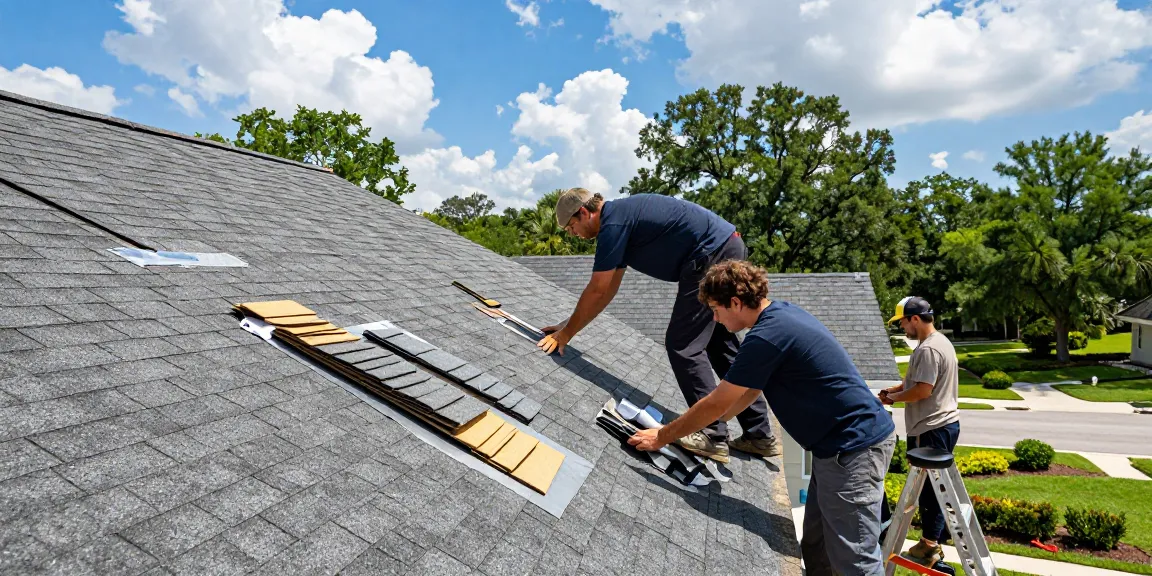
The installation process generally follows a systematic approach:
- Deck Preparation: Repair any damage found during inspection.
- Underlayment Installation: Install moisture barriers appropriate for the roofing material and climate.
- Flashing Installation: Apply flashing around chimneys, vents, and other roof penetrations to prevent leaks.
- Material Installation: Install the chosen roofing material, ensuring all specifications are met for performance and appearance.
Post-Installation Cleanup and Final Walkthrough
Once installation is complete, contractors will conduct a thorough cleanup of the worksite. This includes checking gutters, the yard, and the driveway for debris, and using magnets to collect any stray nails. A final walkthrough ensures that the homeowner understands the new roof and its maintenance needs, as well as confirming that the property is left in better condition than before the project began.
Choosing the Right Roofing Company in Tampa
Qualities to Look for in a Roofing Contractor
When selecting a roofing contractor, it’s important to consider their experience, reputation, and quality of work. Look for companies that provide comprehensive estimates, communicate effectively, and have positive customer reviews. A good contractor will also educate homeowners on the materials and installation process, ensuring transparency throughout the job.
The Importance of Licensing and Insurance
Always verify that the roofing company is licensed and insured. This protects both the homeowner and the contractor from liability in the event of accidents or damages during the installation process. A credible contractor will readily show proof of their licensing and insurance coverage.
How to Avoid Common Roofing Scams
Roofing scams can be prevalent; hence, homeowners should be vigilant. Avoid companies that demand full payment upfront, pressure you into signing contracts on the spot, or don’t have a physical address. Always request references and check their standing with the Better Business Bureau before making a final decision.
Financing and Insurance for Your New Roof
Understanding Roofing Financing Options in Tampa
Investing in a new roof can be expensive, but financing options are often available to help ease the financial burden. Many roofing companies offer financing plans, often with competitive interest rates for homeowners with good credit. Checking with local banks and credit unions can also yield additional financing choices tailored to home improvement projects.
Homeowner’s Insurance and Roof Installation
Understanding homeowners insurance policies is crucial when it comes to roof installation. Many policies cover roof damage due to specific incidents, which can affect the budget for a new roof. Before settling on a new roof installation, consult with your insurance agent about coverage options and how they may change after a new roof is installed.
Maximizing Your Investment: Maintenance Tips
To ensure your new roof lasts its expected lifespan, regular maintenance is vital. This includes:
- Regular inspections to identify potential issues before they escalate.
- Cleaning gutters and downspouts regularly to prevent water damage.
- Trimming overhanging branches that could damage roofing materials.
- Promptly addressing any signs of leaks, water stains, or mold.
What should I consider before a new roof installation?
Before starting a new roof installation, consider your budget, the materials you want to use, and the contractor’s reputation. Additionally, evaluate the roof’s design to ensure it fits well with your home’s architecture.
How long does a new roof installation take?
Most new roof installations can be completed within one to two days, depending on the size of the home and the complexity of the project. A thorough inspection and preparation can also affect the overall timeline.
What financing options are available for roof installations?
Many roofing companies partner with financial institutions to offer varied financing plans. Homeowners can explore options such as personal loans, credit lines, and specialized home improvement financing that allows for manageable monthly payments.
What materials are best for Tampa’s climate?
In Tampa’s humid climate, materials such as asphalt shingles, clay and concrete tiles, and TPO for flat roofs are ideal due to their durability, water resistance, and energy efficiency. Each material comes with unique benefits that can cater to the specific needs of Florida homeowners.
What are the common signs I need a new roof?
Common signs indicating the need for a new roof include visible leaks, water stains on ceilings or walls, shingle deterioration, and increased energy bills. Regular inspections can help homeowners determine when it’s time to plan for a new roofing project.