Understanding Spray Foam Loft Removal
What is Spray Foam Insulation?
Spray foam insulation is a popular choice for energy efficiency in homes, known for its excellent thermal performance and air sealing capabilities. Comprised of polyurethane foam, it expands when applied to surfaces, creating a tight seal that prevents air leaks. This insulation type is often used in attics, walls, and crawl spaces to improve overall energy efficiency, reduce heating and cooling costs, and minimize noise pollution.
Why Remove Spray Foam Insulation?
While spray foam insulation can provide significant benefits, there are circumstances that necessitate its removal. Reasons for removal may include improper installation, degradation over time, or concerns regarding health implications. In some cases, homeowners may wish to replace spray foam with more sustainable insulation options or modernize their lofts to increase functionality. Understanding the reasons behind wanting to remove spray foam can inform better decisions regarding insulation in the future.
Signs You Need Spray Foam Loft Removal
Recognizing the signs that indicate a need for spray foam loft removal is essential for maintaining an efficient home. Some common indicators include:
- Visible Damage: Cracked, peeling, or crumbling foam can compromise insulation quality.
- Mold Growth: The presence of mold or mildew can suggest moisture retention, often beneath spray foam.
- Allergies or Health Issues: If occupants experience unexplained health concerns, it could be linked to insulation materials.
- Increased Energy Bills: Unexplained rises in heating or cooling costs may indicate failing insulation performance.
Planning Your Spray Foam Loft Removal
Assessing Your Attic Space
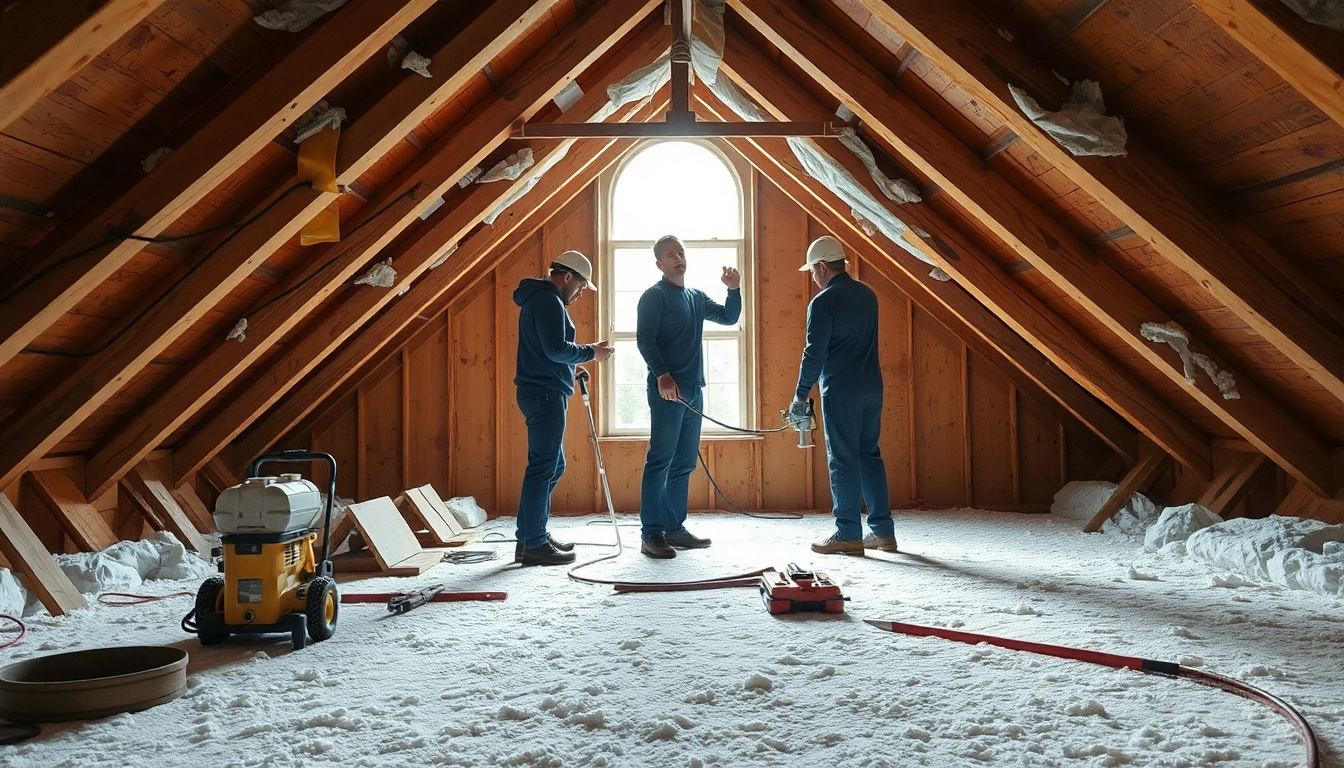
Before initiating the removal process, a thorough assessment of your attic space is critical. Understand the layout, locate electrical wiring and ventilation systems, and determine the extent of spray foam application. Take measurements and document areas that require special attention during removal, ensuring that you have an entire overview to work from. This initial assessment sets the stage for a smoother removal process.
Gathering Necessary Tools and Materials
The right tools and materials are essential for effective spray foam loft removal. Key tools include:
- Protective Gear: Safety goggles, gloves, and masks to shield against dust and irritants.
- Utility Knife: For cutting away the foam material effectively.
- Reciprocating Saw: To remove larger sections of foam with greater efficiency.
- Scraper: Useful for smoothing out surfaces after foam removal.
- Trash Bags: For collecting debris and old insulation material.
Scheduling the Removal Process
Creating a removal schedule is crucial for planning and resource management. Set aside adequate time, especially if the space is large or heavily insulated. Consider the weather, as you may want to do the removal on a dry day to avoid moisture-related issues. If you’re working with a professional, coordinate schedules to ensure they have ample time to assess and execute the removal without interruptions.
Step-by-Step Process of Spray Foam Loft Removal
Safety Precautions
Prioritize safety during removal processes, as exposure to spray foam can be irritating. Always wear protective gear, including masks to avoid inhaling particles, and gloves to protect your skin. Ventilate the area well, opening windows and doors if possible. Inform others living in the home about the removal process to minimize exposure risk. Implementing safety measures can greatly reduce the chances of accidents.
Efficient Removal Techniques
Efficient techniques vary based on the amount of spray foam to remove. For smaller areas, a utility knife can work well for cutting and peeling away the foam. For larger areas, a reciprocating saw allows for swift removal. Always work in manageable sections, and avoid rushing the process. This minimizes damage to underlying structures and ensures a thorough job.
Disposal of Old Spray Foam
Proper disposal of old spray foam insulation is vital for environmental considerations. Check local regulations and guidelines regarding the disposal of construction materials. Ideally, contact a waste management service specializing in insulation removal that can help assess and direct proper disposal. Some recycling facilities may accept certain types of foam, so exploring these options ensures responsible waste management.
Post-Removal Considerations
Assessing Structural Integrity
Once the spray foam has been removed, an assessment of the attic structure is necessary. Look for signs of damage to beams, rafters, or the roof itself. Moisture issues can compromise wood integrity, so check for rot or mold signs. Addressing any concerns immediately can save expensive repairs later on. It might be beneficial to consult a structural engineer if significant concerns arise.
Choosing New Insulation Options
After assessing the attic, it is crucial to select appropriate new insulation options. Consider environmental impact, performance ratings, and cost-efficiency. Popular alternatives to spray foam include fiberglass batts, cellulose, and mineral wool. Each type has its pros and cons, so weigh these factors based on your specific needs and budget. Engaging a professional can help tailor insulation solutions that fit your circumstances.
Future Maintenance Tips
Once you’ve completed the insulation project, consider ongoing maintenance to optimize the space. Regularly inspect the attic for any signs of moisture buildup or pest infiltration. Ensure that ventilation systems function adequately to ensure proper airflow. Additionally, consider periodic insulation assessments every few years or after significant weather events to maintain a well-insulated home.
Frequently Asked Questions about Spray Foam Loft Removal
Is spray foam loft removal harmful?
When done properly and with protective gear, spray foam loft removal is safe. Correct techniques minimize exposure to dust and irritants.
How long does the removal process take?
The process duration depends on the area and method; generally, it can take anywhere from a few hours to a couple of days.
Can I do it myself?
DIY is possible for experienced homeowners, but hiring a professional ensures safety and adherence to local regulations.
What happens to my attic after removal?
After removal, inspect for damage and consider upgrading insulation materials based on your needs. This leads to better energy efficiency.
How do I choose a professional for removal?
Seek certified professionals with positive reviews and transparent pricing. Ask about their experience with spray foam removals specifically.