Understanding Cape Cod Homes
Cape Cod homes are characterized by their charming simplicity and timeless appeal. Originating in the early 17th century in New England, these homes have become synonymous with coastal living. Their distinctive features include steep roofs, symmetrical facades, and dormer windows, all designed to withstand the harsh coastal weather. Whether you’re looking to enhance your home with an attached garage or simply appreciate the architectural beauty, understanding Cape Cod homes is essential. For those seeking inspiration and design ideas, cape cod homes offer a wealth of possibilities.
Historical Significance of Cape Cod Homes
The history of Cape Cod homes is deeply rooted in the American colonial period. Early settlers built these homes as practical structures to withstand harsh winters and storms. The characteristics of Cape Cod homes—such as their low, broad profile and steep roofs—were largely influenced by the region’s weather conditions, which demanded resilience and functionality. As time progressed, the architectural style evolved but maintained its essential elements, making it a staple in New England architecture and a symbol of American heritage.
Architectural Features of Cape Cod Homes
One of the most defining features of Cape Cod homes is their steeply pitched roofs, designed to shed snow efficiently. Typically, these homes are one or one and a half stories high with dormer windows that provide additional space and light. The exterior is often clad in wood shingles or clapboard, painted in muted tones that blend harmoniously with the natural surroundings. Furthermore, the symmetrical design of the façade, accentuated by centered front doors and evenly spaced windows, contributes to their aesthetically pleasing look, making Cape Cod homes widely admired.
Modern Adaptations of Cape Cod Homes
Today, the modern interpretation of Cape Cod homes embraces more open floor plans and incorporates contemporary materials while retaining classic elements. Homeowners are increasingly opting for larger windows to invite natural light and enhance ocean views. Sustainable building practices have also gained popularity, with many experimental designs focusing on energy efficiency and eco-friendly materials. These adaptations ensure that Cape Cod homes remain relevant and functional while honoring their rich history.
Benefits of Attached Garages in Cape Cod Homes
As homeowners look to blend functionality with aesthetics, the inclusion of attached garages in Cape Cod homes has become a practical solution. These garages not only provide essential storage but also enhance the overall appeal of the home.
Increased Storage Solutions
One of the primary benefits of adding an attached garage is the increased storage space it provides. This additional room can be used for more than just parking vehicles; it can house outdoor equipment, seasonal décor, and storage for hobbies or sports. With well-organized storage systems, homeowners can maximize every inch of the garage, turning it into a practical extension of the home.
Enhanced Curb Appeal
Attached garages, when designed correctly, can significantly enhance the curb appeal of Cape Cod homes. A well-integrated garage with the home’s architecture can create a harmonious look, contributing to the property’s overall aesthetic. The choice of materials and colors for the garage that complement the home can unify the entire property and positively impact its value.
Safety and Convenience
Safety and convenience are paramount in today’s fast-paced environment. An attached garage allows for easy access to the home, particularly in adverse weather. This feature not only protects the occupants from the elements but also adds a layer of security. It is far more convenient to enter your home from the garage than to walk through a separate, possibly dimly lit outdoor area.
Designing Your Dream Attached Garage
Designing an attached garage for a Cape Cod home requires careful consideration of both aesthetics and functionality. Here are some essential elements to keep in mind to ensure a seamless integration of style and convenience.
Integrating Design Elements with Cape Cod Style
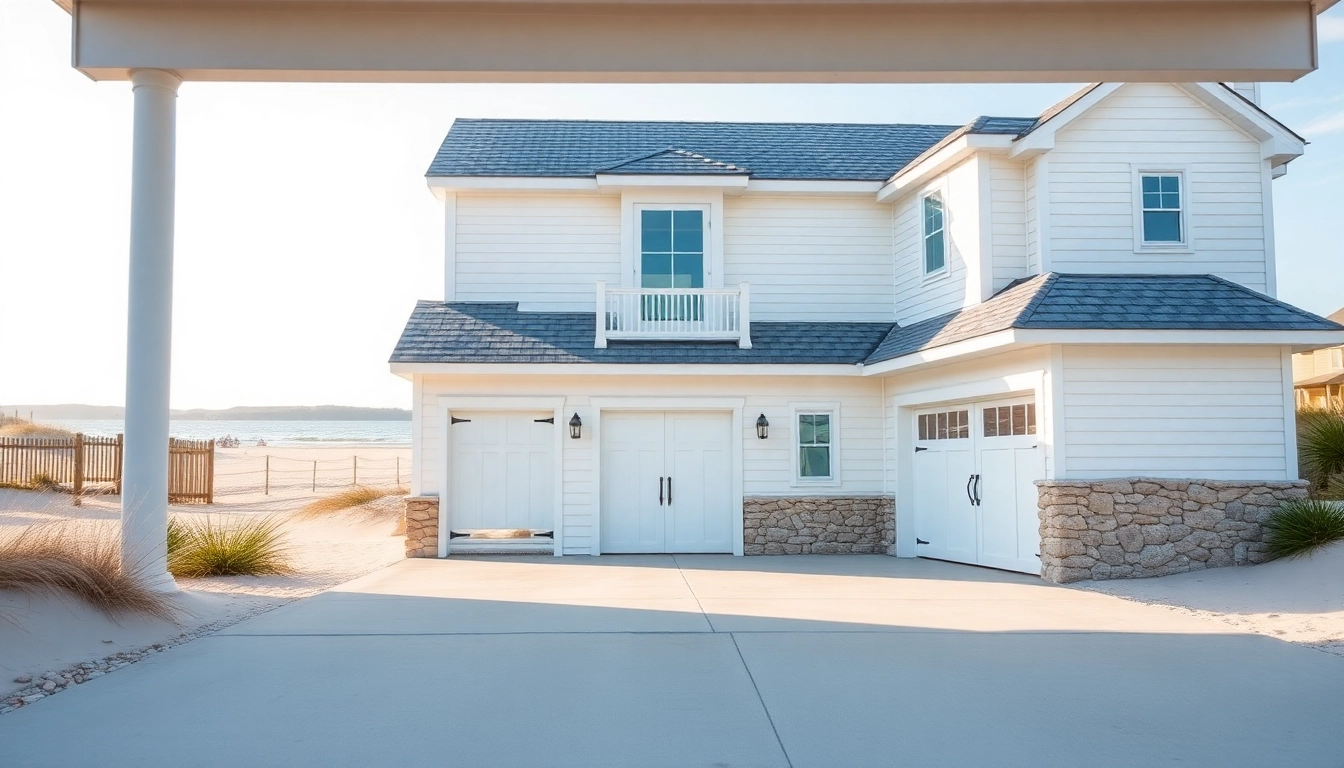
When designing an attached garage, it’s crucial to maintain the architectural integrity of the Cape Cod style. This can be achieved through features such as a gabled roof that mirrors the home’s profile, the use of wooden clapboard siding, and incorporating similar window designs found in the main house. Additionally, the garage door can mimic the style of the front door, reinforcing the overall cohesive look.
Choosing Materials and Colors
Choosing the right materials and colors for an attached garage can make a substantial difference in its appearance. Traditional Cape Cod homes often utilize natural materials such as wood and stone that highlight their coastal heritage. Opting for soft, muted colors like beige, seafoam green, or muted blues can enhance the charm of the garage while ensuring that it melds with the existing home.
Functional Layout Considerations
The layout of the attached garage should focus on functionality. Planning adequate space for vehicles, storage, and potential work areas is essential. Ensure that there is enough room to navigate around vehicles comfortably. Including built-in storage solutions such as shelves and cabinets can help keep the garage organized and multifunctional.
Maintenance Tips for Cape Cod Homes and Garages
Regular maintenance is key to preserving the beauty and functionality of Cape Cod homes and their attached garages. Here are some helpful tips to keep your property in optimal condition.
Seasonal Care for Cape Cod Homes
Each season brings its own challenges for Cape Cod homeowners. In spring, inspect the roof and gutters for debris accumulated during winter storms. Summer is an ideal time to check for any wood rot or damage to the exterior paint. In the fall, prepare the home for winter by winterizing plumbing and ensuring that heating systems are working efficiently. Winter should include regular snow removal from the roof to prevent ice dams.
Garage Maintenance Checklist
To maintain the longevity of your attached garage, consider creating a maintenance checklist. Regularly inspect the garage door for proper functionality and lubricate moving parts. Check for any leaks or signs of pests. Keep the space organized, and routinely clean the floors to prevent dust and debris buildup. Investing time in maintaining these areas can save costly repairs in the future.
Common Repairs and How to Tackle Them
Common repairs in Cape Cod homes and garages include issues with roofing, window leaks, and door malfunctions. For minor roofing issues, applying a fresh coat of sealant can extend its life. If you encounter persistent leaks around windows, resealing them or replacing weatherstripping may be necessary. For garage doors that malfunction, a simple fix may be tightening loose screws or realigning the door track. Always consult a professional for major repairs to ensure safety and compliance with building codes.
FAQs about Cape Cod Homes with Attached Garages
What are the key features of Cape Cod homes?
Key features include steep roofs, dormer windows, symmetrical facades, and wooden shingles, all designed to withstand coastal weather while providing a charming aesthetic.
How can an attached garage enhance my Cape Cod home?
An attached garage offers increased storage solutions, enhances curb appeal, and provides safety and convenience, seamlessly integrating functionality into your living space.
What materials are ideal for a Cape Cod garage?
Wood siding and shingles are traditional choices that reflect the Cape Cod aesthetic, complemented by soft, muted color palettes that blend with the coastal environment.
How often should I maintain my Cape Cod home?
Regular maintenance is crucial; check seasonal items like roofs and gutters multiple times a year, and perform deep cleaning and inspections every few months.
Are there specific design styles for Cape Cod homes?
Yes, variations include classic, contemporary, and modern adaptations. Each retains core elements while integrating different materials and layouts to fit current lifestyles.