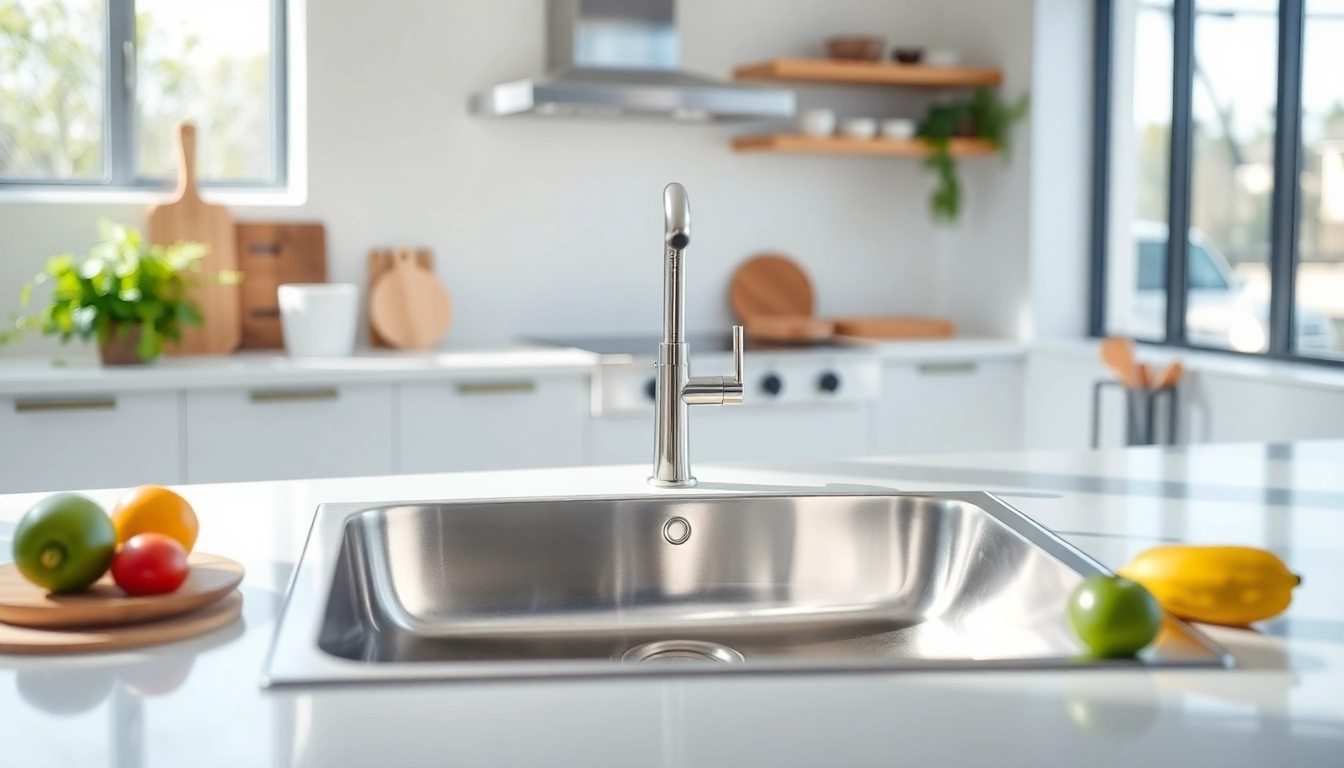
Understanding the Benefits of a Stainless Steel Sink
When it comes to kitchen fixtures, few choices are as impactful as the stainless steel sink. Renowned for their blend of functionality and style, these sinks have established themselves as the cornerstone of modern kitchen design. Their benefits extend beyond aesthetic appeal; they encompass durability, ease of maintenance, and versatile design options that cater to a wide range of kitchen styles.
The Durability Factor
Stainless steel is celebrated for its remarkable durability. Sinks made from this material are resistant to rust, corrosion, and staining, making them a prime choice for both busy families and gourmet kitchens. The strength of stainless steel also means that these sinks can endure impact from heavy pots and pans without denting or scratching easily. As a result, investing in a stainless steel sink means investing in longevity, with the potential to last a lifetime with proper care.
Maintenance and Cleaning Ease
One of the standout features of a stainless steel sink is its low-maintenance requirements. Unlike some materials that may require specific cleaning solutions or gentle handling, stainless steel can typically be cleaned with mild soap and water. Additionally, many steel sinks feature a brushed surface that helps to hide scratches and water spots, enhancing their appeal in the long run. A simple routine of periodic cleaning can keep your sink looking new and pristine, allowing you to enjoy its beauty and functionality without the hassle of rigorous upkeep.
Design Versatility
Available in a myriad of styles and finishes, stainless steel sinks can seamlessly integrate into various kitchen aesthetics. Whether you lean towards a contemporary minimalist look or a more traditional style, there’s a stainless steel sink configuration that will enhance your space. Options range from undermount to drop-in designs, each offering distinct advantages that can complement your kitchen’s overall design scheme.
Choosing the Right Stainless Steel Sink for Your Kitchen
With the numerous benefits of stainless steel sinks clear, the process of selecting the right one for your kitchen can feel overwhelming. However, by focusing on critical factors such as size, gauge, style, and finish, you can make an informed decision that aligns perfectly with your kitchen needs.
Size and Configuration Considerations
The first step in selecting a stainless steel sink is determining the appropriate size and configuration for your kitchen. Kitchen sinks come in various dimensions, from compact models suitable for small apartments to larger, farmhouse-style sinks that can accommodate heavy tasks. The sink’s configuration—single basin, double basin, or even triple basin—will also influence functionality. A single basin sink offers more space for washing larger items, while a double basin can help with multitasking when it comes to food preparation and dishwashing. Assessing your daily kitchen habits will help you choose the right size and configuration.
Gauge and Thickness for Performance
Another essential consideration is the gauge of stainless steel, which refers to the thickness of the steel. Lower gauge numbers indicate thicker steel, which generally translates to a more durable sink. While sinks can be found in gauges ranging from 22 to 18, the optimal choice for residential use is typically 18-gauge steel or lower. Thicker stainless steel can resist dents, reduce noise levels during usage, and last longer, making it a wise investment for your kitchen.
Style and Finish Options
Stainless steel sinks are available in multiple styles and finishes, allowing you to personalize their appearance to meet your kitchen’s aesthetic. Popular finishes include brushed, polished, and matte options. A brushed finish is ideal for maintaining a clean look that conceals smudges and scratches, while a polished finish can create a striking centerpiece in modern kitchens. Aside from finishes, you might also decide between specific styles such as an apron-front sink, which provides a distinctive look while also being functional in design and use. Carefully considering these aesthetic elements will ensure that your sink complements the overall vibe of your kitchen.
Installation Tips for Your Stainless Steel Sink
Installing a stainless steel sink may seem daunting, but with the right preparation and guidance, you can achieve a professional-looking result. Whether you choose to undertake the project yourself or hire a professional, being knowledgeable about the installation process is crucial.
Preparing the Kitchen Space
Before you begin the installation process, you’ll need to prepare your kitchen space adequately. Ensure that you have all necessary materials and tools on hand, including a new sink, plumbing fittings, silicone caulk, and any required tools such as a wrench or screwdriver. Clear the area around your existing sink for easy access and to avoid any inadvertent damage during the removal process. It’s essential to turn off the water supply and disconnect the plumbing to ensure safe handling of the sink.
Step-by-Step Installation Process
The installation of your new stainless steel sink typically follows several straightforward steps:
- Remove the old sink and clean the countertop.
- Position the new sink in the opening to check fit.
- Apply a bead of silicone caulk around the edge of the sink cutout.
- Set the sink into the opening, ensuring it is centered and level.
- Secure the sink to the countertop with clips, if applicable.
- Reconnect the plumbing and supply lines.
- Turn the water supply back on and check for leaks.
Following these steps carefully will ensure a secure and polished installation. Take your time with each step to avoid costly mistakes.
Professional Installation vs. DIY
Choosing between professional installation and a DIY approach depends on your skill level and comfort with plumbing tasks. If you are confident in your DIY skills, installing a stainless steel sink can be a rewarding project. However, if you’re unfamiliar with plumbing work or wish to ensure that the sink is flawlessly installed, hiring a professional might be the better option. Investment in professional installation can save you time and potential headaches, providing peace of mind knowing the job is done correctly.
Common Issues and Solutions with Stainless Steel Sinks
While stainless steel sinks are known for their durability, they are not impervious to issues. Understanding common problems and how to address them is crucial for maintaining the functionality and look of your sink.
Dealing with Scratches and Dents
Scratches and dents can occur over time, especially in high-use households. Fortunately, minor scratches can often be buffed out using a specialized cleaner or polish designed for stainless steel. For deeper scratches, consider using a sandpaper approach, followed by polishing for a seamless finish. Dents may be more challenging to fix and often require professional assistance. However, you can attempt to gently push the dent out from behind if accessible.
Preventing Water Stains and Smells
Water stains can develop on stainless steel sinks if not dried after use. To prevent this, habitually drying the sink after use can help maintain its shine. Additionally, to ward off unpleasant odors, ensure regular cleaning—especially in the drain area. Employing methods such as baking soda and vinegar can effectively neutralize smells without harsh chemicals.
Repairing and Maintaining Your Sink
Annual maintenance of your stainless steel sink is key to preserving its functionality. Regularly inspect for leaks or signs of wear, promptly fixing any plumbing issues that arise. For cleaning, use gentle, non-abrasive cleaners and cloths to avoid scratching. Integrating these maintenance practices into your routine can prolong the life of your sink significantly.
Frequently Asked Questions about Stainless Steel Sinks
What makes stainless steel sinks popular?
Stainless steel sinks are favored for their durability, ease of maintenance, and stylish versatility. They’re resistant to rust and stains, making them ideal for busy kitchens.
How do I clean my stainless steel sink?
Clean your sink with mild soap and warm water to maintain its shine. For tougher stains, a gentle paste of baking soda and water can be effective.
Are there different grades of stainless steel?
Yes, stainless steel sinks come in various grades, primarily 304 and 316. 304 is more common, while 316 offers better corrosion resistance, making it suitable for marine environments.
Can I install a stainless steel sink myself?
Yes, installing a stainless steel sink can be a DIY project if you have basic plumbing skills. However, professional help ensures a flawless finish and proper installation.
What should I do if my sink gets scratched?
Minor scratches can often be buffed out using a stainless steel cleaner and a soft cloth. For deeper scratches, consider seeking professional refinishing.