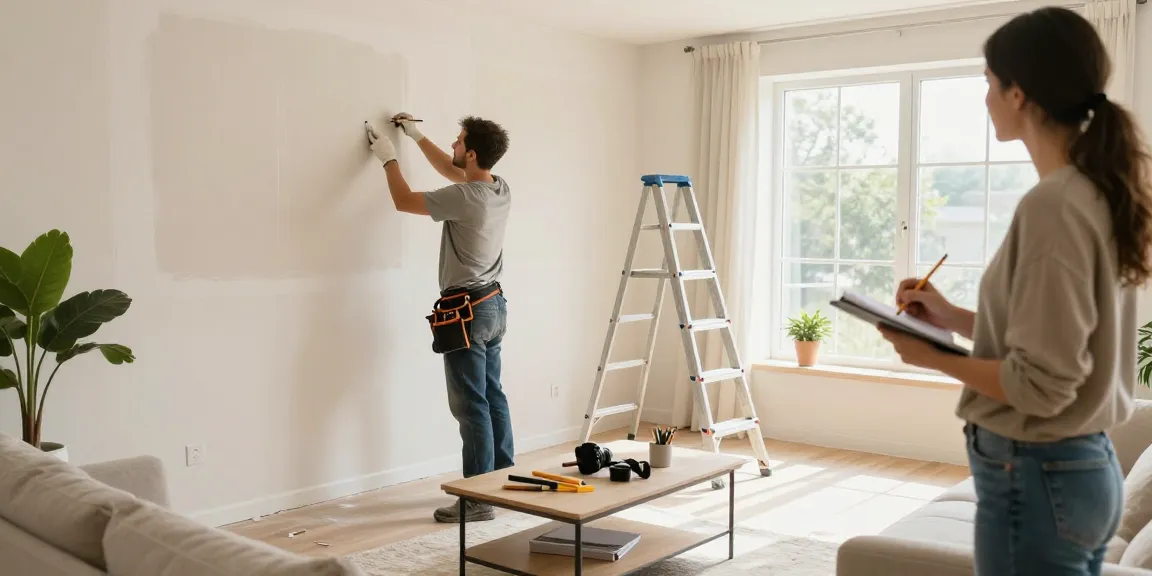
Understanding Custom Home Renovation
What Defines Custom Home Renovation?
Custom home renovation involves reconstructing, redesigning, or updating spaces to fit the unique preferences and needs of homeowners. Unlike standard renovations, which typically follow predefined layouts and designs, custom renovations allow for a tailored approach, crafting spaces that are not only functional but also reflect the owner’s personal style. From selecting materials to deciding on layouts, the process is a collaborative effort between homeowners and contractors, ensuring that every detail aligns with the homeowners’ vision.
The Importance of Personalization in Home Design
Personalization is not just about aesthetics; it plays a crucial role in enhancing the usability and comfort of living spaces. A well-planned renovation can significantly improve the home’s functionality, making it better suited to the needs of its inhabitants. For example, a growing family may require an open-concept layout to facilitate interaction, while a home office might benefit from soundproofing and organizational features. The more personalized the design, the more satisfying the outcome, resulting in a space that not only looks good but feels inherently homely.
Key Differences Between Renovation and Remodeling
While the terms “renovation” and “remodeling” are often used interchangeably, they signify different processes in the realm of home improvements. Renovation typically refers to restoring or updating existing structures and finishes without changing the building’s original purpose. In contrast, remodeling involves altering the layout or function of spaces, such as converting a basement into a living area. Understanding these distinctions is essential for homeowners to clearly communicate their goals and expectations to their Custom home renovation contractor Austin.
Choosing the Right Contractor in Austin
What to Look for in a Custom Home Renovation Contractor Austin
Choosing the right contractor is one of the most critical steps in any custom home renovation project. Look for a professional with a strong portfolio showcasing previous work similar to what you envision for your home. Additionally, ensure they have a solid reputation and positive reviews from past clients. Local contractors familiar with Austin’s building codes and trends can offer invaluable insights, making the renovation process smoother. A contractor’s willingness to communicate openly and transparently about the process and costs also indicates their professionalism and reliability.
Assessing Credentials and Experience
When evaluating potential contractors, check their credentials, including licensing, insurance, and bonding. Licensed contractors comply with state and local regulations, which can protect you legal liabilities. Look for additional certifications that may indicate specialization in specific areas, like sustainable building practices or historical renovations. Experience is another valuating factor; a contractor who has been in the business for several years likely has encountered a wide range of challenges and can navigate potential pitfalls effectively.
Questions to Ask Potential Contractors
Before finalizing your choice, conduct thorough interviews with potential contractors. Ask about their approach to project management, timelines, and how they handle unforeseen issues. Inquire about their preferred suppliers and subcontractors, as well as warranty options they offer for workmanship and materials. Understanding their communication style and approach to collaboration can also prevent misunderstandings later in the process. Always request references from previous clients to gain insight into their working style and project satisfaction.
Planning Your Home Renovation Project
Setting a Realistic Budget
Budgeting is a fundamental aspect of any renovation project. Begin by assessing your financial capacity and determining how much you can allocate to renovations without compromising your overall financial health. Research the average costs associated with the specific updates you wish to make, and always include a contingency fund of around 10-20% to cover unexpected expenses. Be clear about your non-negotiables and prioritize aspects you value most in your renovation, which will guide spending decisions throughout the project.
Creating a Timeline for Your Renovation
Establishing a timeline is crucial for managing a renovation project effectively. Start by setting a realistic completion date, keeping in mind factors like potential permit wait times, material availability, and the scope of work. Work closely with your contractor to create a phased timeline that outlines critical milestones and allows for flexibility in case of delays. Being realistic about timelines helps avoid frustration and ensures that the project progresses in an organized manner.
Permits and Regulations in Austin
Understanding the permits and regulations associated with home renovations in Austin is paramount. Depending on the scope of your project, you’ll likely need to obtain various permits, which can vary by neighborhood and the nature of the renovations. Research local building codes and zoning regulations before starting your project, as this can save time and prevent legal complications. Consider consulting with your contractor, who should be familiar with these requirements and can guide you through the permitting process.
Implementation Strategies for Success
Collaborating Effectively with Your Contractor
The success of your renovation project largely hinges on effective collaboration with your contractor. Establish clear communication from the outset regarding your expectations, project goals, and any specific concerns. Schedule regular check-ins to discuss progress, and don’t hesitate to voice any adjustments you may want to implement as the project unfolds. A contractor who values your input and feedback will work more diligently to ensure you are satisfied with the results.
Staying Informed Throughout the Process
Staying informed throughout your renovation project helps keep everyone aligned and reduces anxiety about the process. Utilize project management tools or apps that allow you to track progress and timelines. Be proactive in asking questions about the work being done and stay engaged with your contractor and the renovation process. The more involved you are, the smoother the project will flow, and the better the final outcome will be.
Managing Unexpected Challenges in Renovations
Unexpected challenges are nearly inevitable in any renovation project. From unforeseen structural issues to delays in material delivery, being prepared for such contingencies is essential. Work with your contractor to develop a flexibility strategy, which allows room to adapt to changes without derailing the project. Keeping a positive attitude and maintaining open lines of communication can transform potential setbacks into opportunities for creative problem-solving.
Post-Renovation Considerations
Tips for Maintaining Your New Spaces
Once your renovation is complete, maintaining your new spaces should become a priority to prolong their lifespan. Develop a routine cleaning schedule tailored to the different surfaces and materials you’ve incorporated. Regular inspections of critical areas, such as plumbing or roofing, can identify issues before they escalate into more significant problems. Make sure to follow any care guidelines provided by your contractor or suppliers, particularly for specialty items.
Value Addition Through Thoughtful Design
Thoughtful design choices can significantly enhance your home’s value, especially if they align with buyer preferences and market trends. Focus on renovations that are known to offer high returns on investment, such as modernized kitchens, upgraded bathrooms, and enhanced outdoor spaces. Incorporating energy-efficient appliances and sustainable materials can also appeal to environmentally-conscious buyers, making your home more desirable in the long run.
Creating a Long-term Home Improvement Plan
After completing renovations, consider developing a long-term home improvement plan that outlines future projects, desired upgrades, and maintenance tasks. Such planning helps ensure your home continuously reflects your lifestyle and meets evolving needs over time. Collaborate with your contractor periodically to reassess your home’s condition and identify potential areas for improvement. A proactive approach can lead to better outcomes and reduced costs down the line.
FAQs
How long does a typical renovation take?
The duration varies based on project size, but most renovations last from a few weeks to several months, depending on complexity.
What’s the average cost of home renovations in Austin?
Costs can range widely, typically from $20,000 to $100,000 or more, based on the scope and specifics of the work required.
Are permits always required for renovations?
Most significant renovations require permits in Austin; always check local regulations to ensure compliance throughout the process.
What materials are best for renovations?
High-quality, durable materials suited to your aesthetic and functional needs are best; choose those that ensure longevity and performance.
How can I add value to my home through renovations?
Focus on kitchens and bathrooms, which typically yield the best return on investment, enhancing both functionality and appeal for future buyers.