
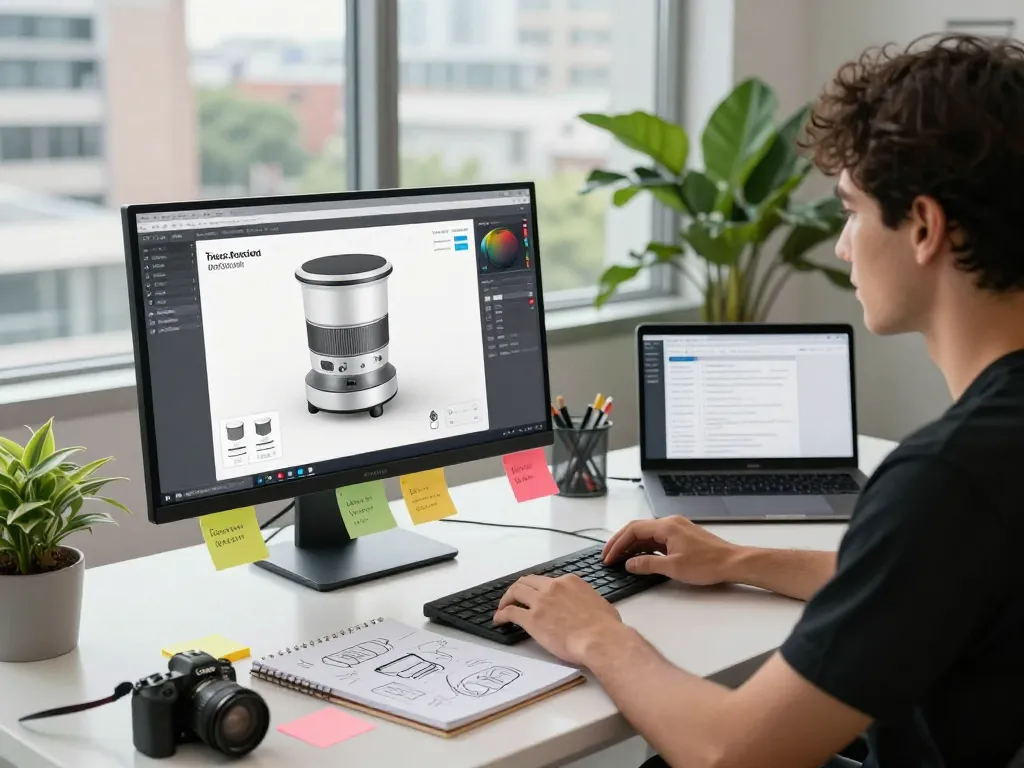
The Rise of 3D Product Configurator Software in E-commerce
As e-commerce continues to evolve, businesses are constantly seeking innovative solutions to enhance the online shopping experience. One of the most transformative advancements in recent years is the development of 3D product configurator software. This technology enables customers to visualize and customize products in real-time, facilitating a more engaging shopping journey. With the integration of 3D configurators, brands can significantly reduce return rates and increase customer satisfaction, which are vital factors in a competitive online marketplace.
Understanding 3D Configurators: What They Are
3D configurators are digital tools that allow users to interactively customize products by selecting various attributes, such as color, size, and materials, through a 3D interface. These tools can be integrated into e-commerce platforms, providing an immersive experience that replicates in-store interactions. By enabling customers to visualize their choices instantly, brands are bridging the gap between the traditional retail experience and online shopping.
Benefits of 3D Product Configurator Software
The advantages of implementing 3D product configurator software are numerous and range from improved customer engagement to enhanced sales capabilities. Here are some key benefits:
- Enhanced User Experience: Customers can see a product from multiple angles and make adjustments in real-time, increasing their confidence in their purchase.
- Reduced Returns: By allowing customers to visualize customizations, companies can reduce the likelihood of returns caused by unmet expectations.
- Increased Sales: Engaging experiences often lead to higher conversion rates as customers are more likely to complete purchases when they feel connected to the product.
- Cost Efficiency: Virtual platforms decrease the need for physical samples, as customers can explore numerous configurations without incurring additional costs.
Current Trends Shaping the Industry in 2026
As we look towards 2026, several trends are likely to influence the future of 3D product configurator software:
- Integration with AR and VR: The merging of augmented and virtual reality technologies with 3D configurators will enhance how customers experience products by providing a more realistic visual representation.
- AI-Powered Personalization: Artificial intelligence will play a crucial role in analyzing customer preferences and providing tailored recommendations to enhance the customization experience.
- Mobile Optimization: As mobile shopping increases, configurators will become more accessible on smartphones and tablets, allowing customers to personalize their products on-the-go.
Key Features to Look For in a 3D Product Configurator
Customization Capabilities: Tailoring Products to User Needs
A powerful 3D product configurator should offer extensive customization options, enabling users to alter various aspects of a product, including dimensions, materials, and finishes. The configurator’s flexibility to accommodate complex product rules is essential, especially for industries like furniture, automotive, and fashion where personalization is paramount.
Integration with E-commerce Platforms
Seamless integration with existing e-commerce platforms is crucial for a 3D configurator’s success. A configurator that easily connects with popular platforms like Shopify, WooCommerce, or Magento will enable businesses to implement it without needing extensive technical resources or redesigning their entire website.
User-Friendly Interfaces and Accessibility
The interface of a 3D configurator must be intuitive and easy to navigate, ensuring that users can quickly and efficiently customize their products. Additionally, accessibility for individuals with disabilities should be considered, as inclusive design features can broaden the customer base.
Implementing 3D Product Configurator Software
Step-by-Step Guide to Integration
Implementing a 3D product configurator requires careful planning and execution. Here’s a step-by-step guide:
- Define Objectives: Identify the goals you want to achieve with the configurator, such as increasing sales or decreasing returns.
- Select the Right Software: Choose a configurator software that aligns with your business needs, ensuring it has the features and capabilities you require.
- Develop Product Models: Create high-quality 3D models of your products that accurately represent their features and dimensions.
- Integrate with E-commerce: Implement the configurator into your website and ensure it works seamlessly with your e-commerce platform.
- Test the Experience: Conduct thorough testing to ensure that the configurator functions correctly and provides a smooth user experience.
- Launch and Monitor: Release the configurator to your customers and monitor user interactions to gather feedback and make necessary adjustments.
Common Challenges and Solutions
While implementing 3D product configurator software can be highly beneficial, it also poses challenges. Here are some common obstacles and ways to overcome them:
- Cost of Development: Developing high-quality 3D models can be expensive. Consider outsourcing to specialized modeling firms or utilizing 3D scanning technology to expedite the process.
- User Adoption: Some customers may be hesitant to use new technologies. Provide tutorials and customer support to ease the transition and enhance user confidence.
- Technical Issues: Bugs and performance issues can deter users. Regularly update and maintain the software to ensure a smooth experience.
Real-World Case Studies of Successful Implementation
Numerous companies have successfully integrated 3D product configurators into their sales processes, resulting in significant improvements:
- Ford: Ford’s 3D vehicle configurator allows customers to customize their cars down to the last detail, resulting in increased customer engagement and higher sales rates.
- Mud Jeans: This sustainable fashion brand uses a configurator that enables customers to customize their jeans, leading to a unique customer experience and reduced waste from unsold inventory.
- IKEA: IKEA’s Room Planner is a widely recognized tool that allows customers to visualize furniture arrangements in their own space, boosting in-store and online sales.
Enhancing Customer Experience with 3D Configurators
Engagement Strategies Using 3D Visualization
Brands can employ various strategies to maximize engagement through 3D configurators:
- Gamification: Incorporating game-like elements, such as rewards for completing configurations or sharing designs, can enhance user interaction.
- Social Sharing: Allowing users to share their customized products on social media platforms can serve as a marketing tool while enabling organic reach.
Interactive Elements That Drive Sales
To truly compel customers to make purchases, configurators should include interactive features:
- Real-Time Rendering: Instant feedback on changes made by the user can create a more dynamic experience and encourage further customization.
- Comparison Tools: Enabling customers to compare different configurations side-by-side can assist them in making informed decisions.
Measuring Customer Satisfaction and Success
Tracking key performance indicators (KPIs) is essential for understanding the effectiveness of your 3D configurator:
- Engagement Metrics: Analyze how often users engage with the configurator and the amount of time spent customizing products.
- Conversion Rates: Monitor the conversion rates of customers who utilize the configurator compared to those who do not.
- Customer Feedback: Regularly collect user feedback to understand their experiences and identify areas for improvement.
The Future of 3D Product Configuration and E-commerce
Emerging Technologies and Innovations for 2026 and Beyond
In the next few years, we can expect to see significant advancements in 3D product configurators:
- Blockchain for Authenticity: Utilizing blockchain technology could help ensure product authenticity and ownership, enhancing customer trust.
- AI-Powered Recommendations: Advanced algorithms will provide personalized suggestions based on previous user behavior and preferences.
- Expanded Reality Experiences: Future developments may incorporate mixed reality, allowing customers to view their products in their real-world environments more realistically.
Predictions for Market Growth and Development
The market for 3D product configurator software is expected to grow exponentially as consumer demand for customization and engagement increases. Analysts predict a compound annual growth rate (CAGR) of over 25% by 2026, driven by the need for differentiating products in crowded markets.
How Brands Can Stay Competitive in a Digital Marketplace
To maintain a competitive edge, brands should adopt the following strategies:
- Continuous Innovation: Regularly updating features and capabilities ensures the configurator remains relevant and engaging.
- Focus on Customer Experience: Prioritizing user experience by simplifying navigation and providing support can enhance customer satisfaction.
- Data-Driven Insights: Leveraging analytics to understand customer behavior and preferences can inform future developments and marketing strategies.