
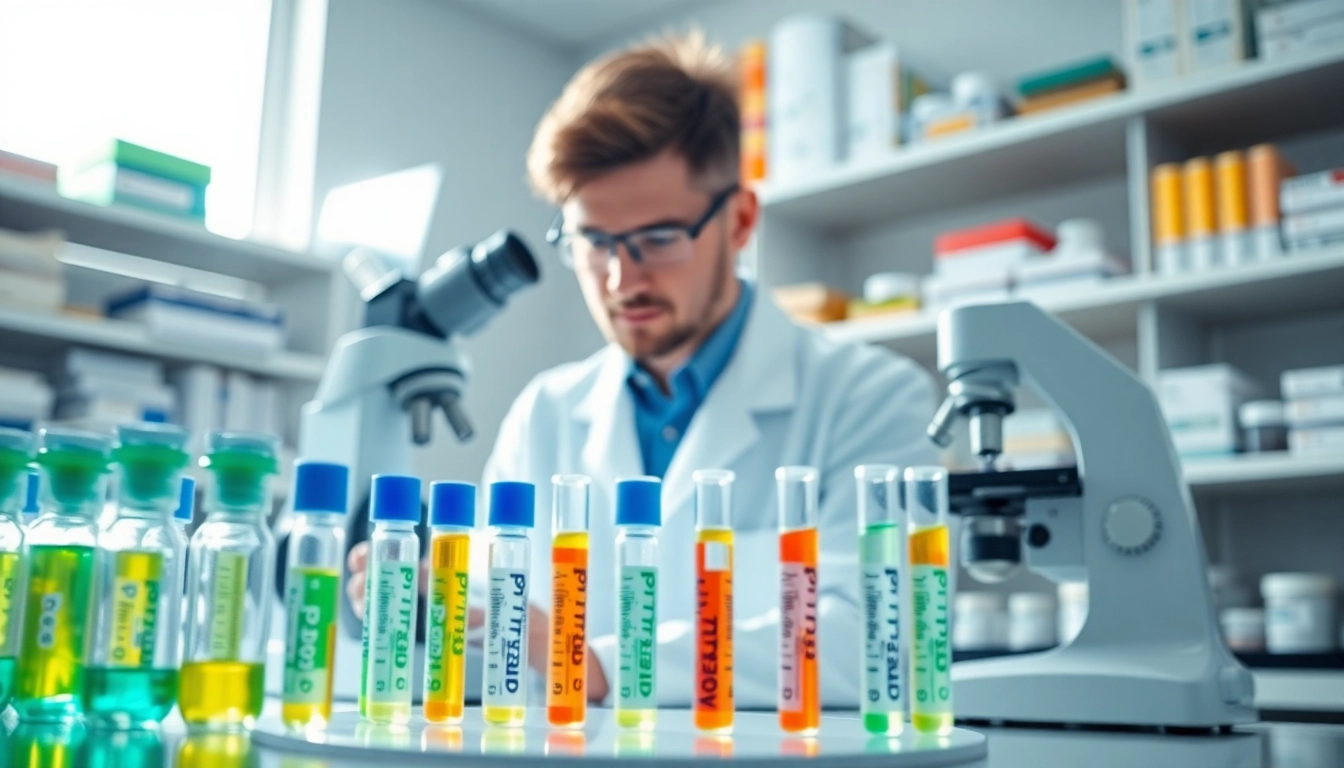
Introduction to Hydro Research
What is Hydro Research?
Hydro Research is a multidisciplinary field that explores the properties, applications, and implications of water and its constituents on biological and environmental systems. By bridging various scientific domains, including chemistry, biology, and environmental science, Hydro Research seeks to enhance our understanding of water in its many forms and roles. This research serves as a critical cornerstone for advancements in water treatment technology, environmental protection, and medical applications. For extensive insights and resources related to this field, visit Hydro Research.
Importance of Hydro Research in Science
The significance of Hydro Research cannot be overstated; it plays a pivotal role in addressing global challenges such as water scarcity, pollution, and climate change. This field is essential for developing sustainable solutions that ensure safe drinking water and healthy ecosystems. Furthermore, Hydro Research has vast implications for human health, agriculture, and industrial processes, making it a linchpin in the advancement of both environmental and biotechnological sciences.
Overview of Key Components
Key components of Hydro Research include hydrology, microbiology, and chemical analysis. Hydrology focuses on the movement, distribution, and quality of water in the environment. Microbiology investigates the microorganisms within aquatic ecosystems and their influence on water quality and disease, while chemical analysis examines the various substances dissolved in water, which can impact both the environment and public health. Together, these components form a cohesive framework for exploring the complexities of hydro-sciences.
The Role of Peptides in Hydro Research
Understanding Peptides and Their Functions
Peptides, short chains of amino acids, play vital roles in biological processes. In Hydro Research, they can act as signaling molecules or biological catalysts (enzymes), facilitating or regulating various biochemical reactions involving water. The understanding of these molecules is fundamental for developing biotechnological applications such as biosensors and smart drugs, showcasing their potential impact on the field.
Applications of Peptides in Research
Peptides are utilized in Hydro Research in several capacities, including as therapeutic agents in treating waterborne diseases and as tools for environmental monitoring. Their ability to function in a variety of biochemical contexts makes them invaluable for studying aquatic systems and understanding microbial interactions. Research on peptide-based technologies may yield solutions to enhance water treatment processes and improve public health.
Significance of Peptide Stability
Peptide stability in aqueous solutions is paramount to their effectiveness. Factors such as temperature, pH, and ionic strength can significantly influence peptide integrity. Understanding these conditions enables researchers to optimize peptide formulations for specific applications, ensuring enhanced longevity and bioactivity in research environments. Rigorous studies focusing on peptide stability will lead to more effective use in both laboratory and field settings.
Current Trends and Innovations in Hydro Research
Emerging Technologies in Hydro Research
Advancements in technology are significantly reshaping Hydro Research. Innovations such as microfluidics, nanotechnology, and artificial intelligence are making it possible to conduct complex analyses rapidly and with high accuracy. For example, microfluidic devices allow for precise manipulation of small volumes of water, enabling real-time monitoring of contaminants. These emerging technologies offer exciting possibilities for improving water quality monitoring and management practices.
Key Studies Influencing the Field
Recent studies in Hydro Research have emphasized the importance of integrating molecular biology with hydrological assessments. Research examining the relationship between microbial communities and water quality has revolutionized how scientists approach environmental monitoring. Such investigations not only enhance our understanding of freshwater ecosystems but also guide efforts in pollution control and ecological restoration.
Future Directions of Research
The future of Hydro Research will likely focus on interdisciplinary approaches that harness the synergy between various scientific fields. Combining molecular biology, chemistry, and environmental science will enable more comprehensive assessments of water systems. Innovative studies targeting the implications of climate change on water resources are anticipated, along with novel methodologies for tracking water quality and availability.
Challenges and Solutions in Hydro Research
Common Challenges Faced
Despite the advancements in Hydro Research, several challenges persist. Limited funding for comprehensive studies, underdeveloped infrastructure for water analysis in certain regions, and the complexity of biological interactions in aquatic environments pose significant barriers. Additionally, variability in environmental conditions complicates data interpretation and the scalability of studies.
Best Practices for Overcoming Challenges
Implementing best practices such as collaborative research between academics, government agencies, and industry can help mitigate these challenges. Investing in training programs for local scientists and improving laboratory infrastructures will enhance research capacity. Furthermore, leveraging citizen science initiatives can broaden data collection efforts and raise awareness regarding water quality issues.
Industry Standards and Guidelines
Establishing robust industry standards and guidelines is crucial for ensuring consistent methodologies in Hydro Research. Regulatory bodies should work with researchers to develop standardized procedures for water testing and analysis, promoting comparability across studies. Such efforts will boost the credibility of research findings, facilitating policy development and public trust in scientific results.
FAQs about Hydro Research
What are the primary applications of Hydro Research?
Hydro Research is primarily applied in environmental monitoring, water treatment technologies, and public health studies, addressing water quality and availability issues.
How do peptides contribute to hydro research?
Peptides contribute by serving as biological catalysts and therapeutics, helping understand microbial roles and develop innovative solutions for water-related challenges.
What recent advancements have been made in this field?
Recent advancements include integration of molecular biology with hydrology, improvements in analytical technologies, and the application of artificial intelligence for data analysis.
What are common challenges in hydro research?
Common challenges include funding limitations, complex biological interactions, infrastructure deficits, and variability in environmental conditions affecting results.
How is data typically collected in hydro research?
Data in hydro research is collected through field sampling, laboratory analyses, and advanced monitoring technologies, ensuring comprehensive assessments of water systems.

